


Cart
0
In the quiet ritual of the Indian afternoon, the chai break is sacred. It is the pause between a morning of meetings and an evening of family—a moment where the world slows down for a steaming cup of ginger tea.
But for too long, our choices for a “side” to that tea have been limited to extremes: either the heavy, oil-laden snacks from the local halwai or the tasteless “diet” biscuits that feel more like a chore than a treat.
At Sameat, we believe there is a better way. We believe in the middle path—snacks that are premium, deeply satisfying, and crafted with an honest approach to ingredients. The biggest shift we’ve made? Moving away from the kadhai and toward the oven.
But what actually happens when we choose baked over fried? It’s more than just calories—it’s about the chemistry of your food and how it makes you feel long after the last crumb is gone.
The Evolution of the Indian Tea-Time
Indian snacking culture is built on the sizzle of the deep fryer. From golden samosas to crispy pakodas, the taste of “fried” is the flavor of nostalgia. Traditionally, however, these were occasional indulgences—reserved for monsoon showers or visiting guests.
Today, snacking is an everyday reality. Whether it’s a quick bite at the office desk or a family gathering around the dining table, our daily habits have changed. When a snack becomes a ritual, the preparation method—how it’s cooked and what it’s made of—dictates the quality of our day.
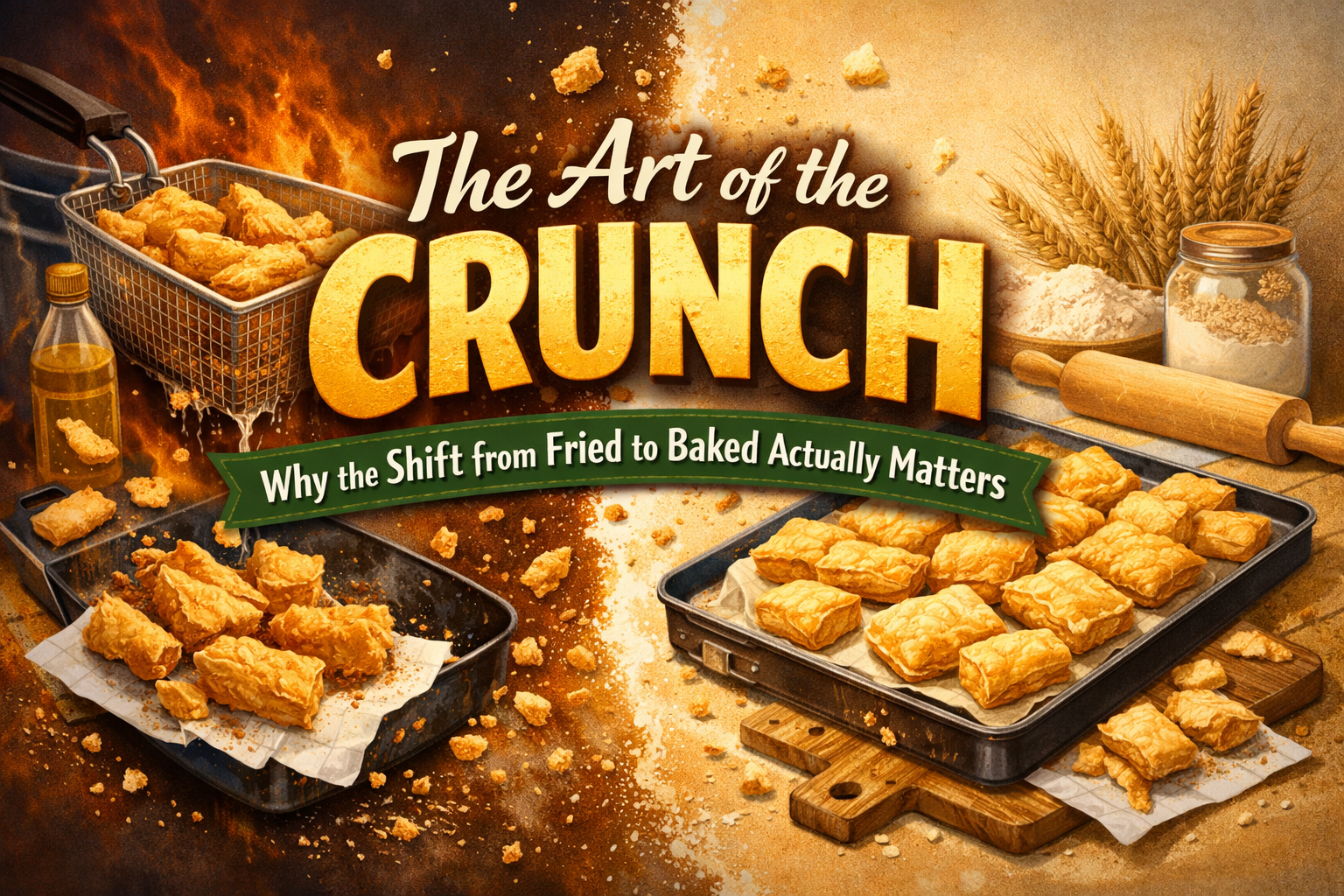
Frying vs. Baking: A Simple Study in Texture
To understand why baked snacks feel different, we have to look at how heat interacts with dough.
The Frying Process
When dough is submerged in boiling oil, moisture evaporates instantly. In its place, oil rushes in and saturates the snack. This creates a hard crunch and a lingering heaviness that often leads to that familiar post-snack lethargy.
The Baking Process
Baking uses hot, circulating air to gently draw out moisture. Instead of being replaced by oil, the layers of the snack expand and crisp naturally. The result is a light, flaky texture—think of a classic Khari that melts in your mouth without leaving a greasy film on your palate.
Why “Lighter” Is the New Premium
In the modern Indian home, luxury is no longer about excess—it’s about balance. A premium snack shouldn’t make you feel like you need a nap. It should be light enough for everyday enjoyment, yet flavorful enough to feel indulgent.
1. Clean Palate, Honest Flavor
Deep frying often masks the true taste of grains and spices. Baking allows subtle aromas—roasted cumin, carom seeds (ajwain), and high-quality grains—to shine. At Sameat, our Zero Maida focus means we rely on the natural character of ingredients rather than heavy oil.
2. The Satisfaction of the “Snap”
There is a distinct joy in the light, airy snap of a baked pastry. It pairs perfectly with the warmth of tea. Much like the refined puff pastries seen in traditional Khari, the goal is a fusion of familiar comfort with modern lightness.
3. Guilt-Free Consistency
Because baked snacks aren’t heavy, they fit seamlessly into active lifestyles. Whether it’s a child’s tiffin or a 4:00 PM office break, baked options offer satisfaction without the dreaded oil slump.
The Sameat Philosophy: Small Choices, Better Living
We don’t believe in dieting—we believe in smarter snacking. Choosing baked, zero-maida snacks over fried ones isn’t about giving up flavor. It’s about upgrading the experience.
By choosing baking, we preserve the integrity of our ingredients, ensuring every bite is as honest as it is delicious.
A Mindful Conclusion
As the sun sets and the kettle whistles, remember that tea-time is a celebration of the everyday. You don’t need a special occasion to choose a snack that makes you feel good.
By opting for baked alternatives, you’re choosing a lighter, cleaner, and more refined way to enjoy the flavors we’ve loved for generations.
Savor the crunch. Enjoy the lightness. Welcome to the new standard of Indian snacking.